Mission
To connect Islamic finance with the global climate finance architecture and enable capital to move more effectively toward climate implementation and sustainable development.
About Us
The Global Islamic Climate Finance Alliance (GICFA) is a neutral, multi-stakeholder platform connecting the Islamic finance ecosystem with the global climate finance architecture.
Islamic finance has significant capital, institutional reach and strong alignment with sustainable and asset-backed investment. Yet its participation in global climate finance remains fragmented and under-integrated.
Rather than creating another fund or financial institution, GICFA strengthens the connections, frameworks and institutional infrastructure needed for existing actors to work together more effectively.

Ecosystem Builder, Connector & Delivery Platform
Mission
To connect Islamic finance with the global climate finance architecture and enable capital to move more effectively toward climate implementation and sustainable development.
Vision
A globally connected Islamic climate finance ecosystem capable of mobilising capital at scale for a resilient, inclusive and sustainable future.
Our Journey
GICFA emerged from a growing recognition that Islamic finance has the values, capital and geographic reach to make a meaningful contribution to climate action, but the ecosystem required to connect that potential with climate implementation remains fragmented.
The initiative was conceived not as another financial institution, but as a neutral coordination and delivery platform capable of connecting existing institutions and enabling them to work together more effectively.
As an Ecosystem Builder, GICFA develops the infrastructure, relationships, and standards that allow the broader system to function.
As a Neutral Secretariat, GICFA provides independent coordination that no single institution can credibly provide alone.
As a Global Initiative, GICFA drives engagement, visibility, and institutional commitment at international level.
June 2026
Building the coalition
GICFA convened its first High-Level Round Table in Baku in June 2026 alongside the Islamic Development Bank Annual Meetings. The dialogue brought together representatives from Islamic finance, development finance, government, investment and climate-related organisations.
The Round Table created an initial institutional platform to discuss the role of Islamic finance in climate implementation, the structural coordination gap, investment pipelines, partnerships and GICFA’s emerging governance and operating architecture.
Read the story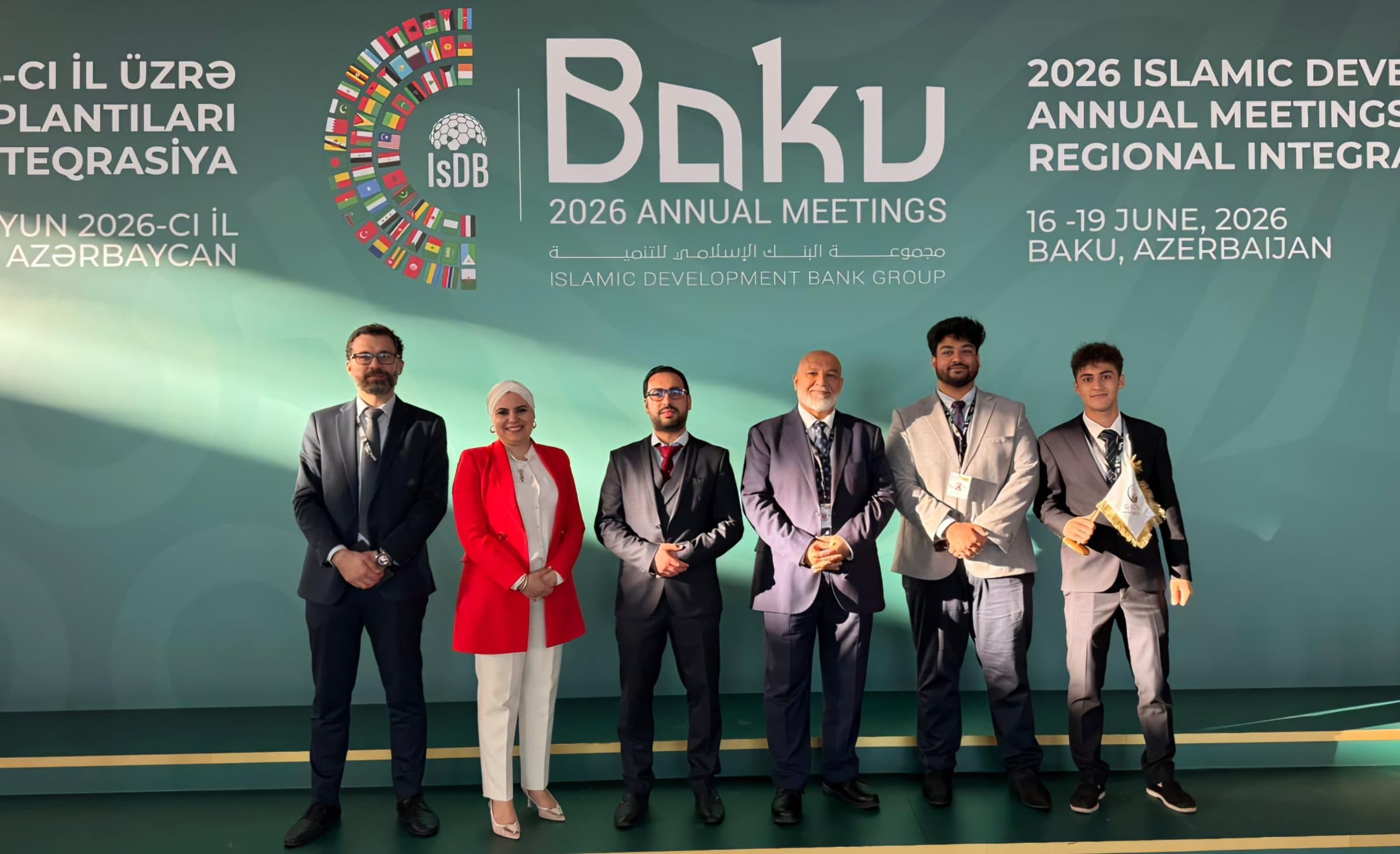
Pre-COP31 · September 2026
Building the architecture
Building on Baku, GICFA’s Second High-Level Strategic Dialogue at the Istanbul Financial Center in Türkiye forms part of the Pre-COP31 programme and represents the next stage of GICFA’s institutional development.
The discussion is designed to shift the focus from dialogue toward implementation: positioning Islamic finance within the climate finance architecture; strengthening project pipelines and bankability; exploring blended finance, guarantees and foreign-exchange risk solutions; shaping governance and founding membership; and defining priority actions toward COP31.
Istanbul is the bridge between dialogue and institutionalisation.
Read the story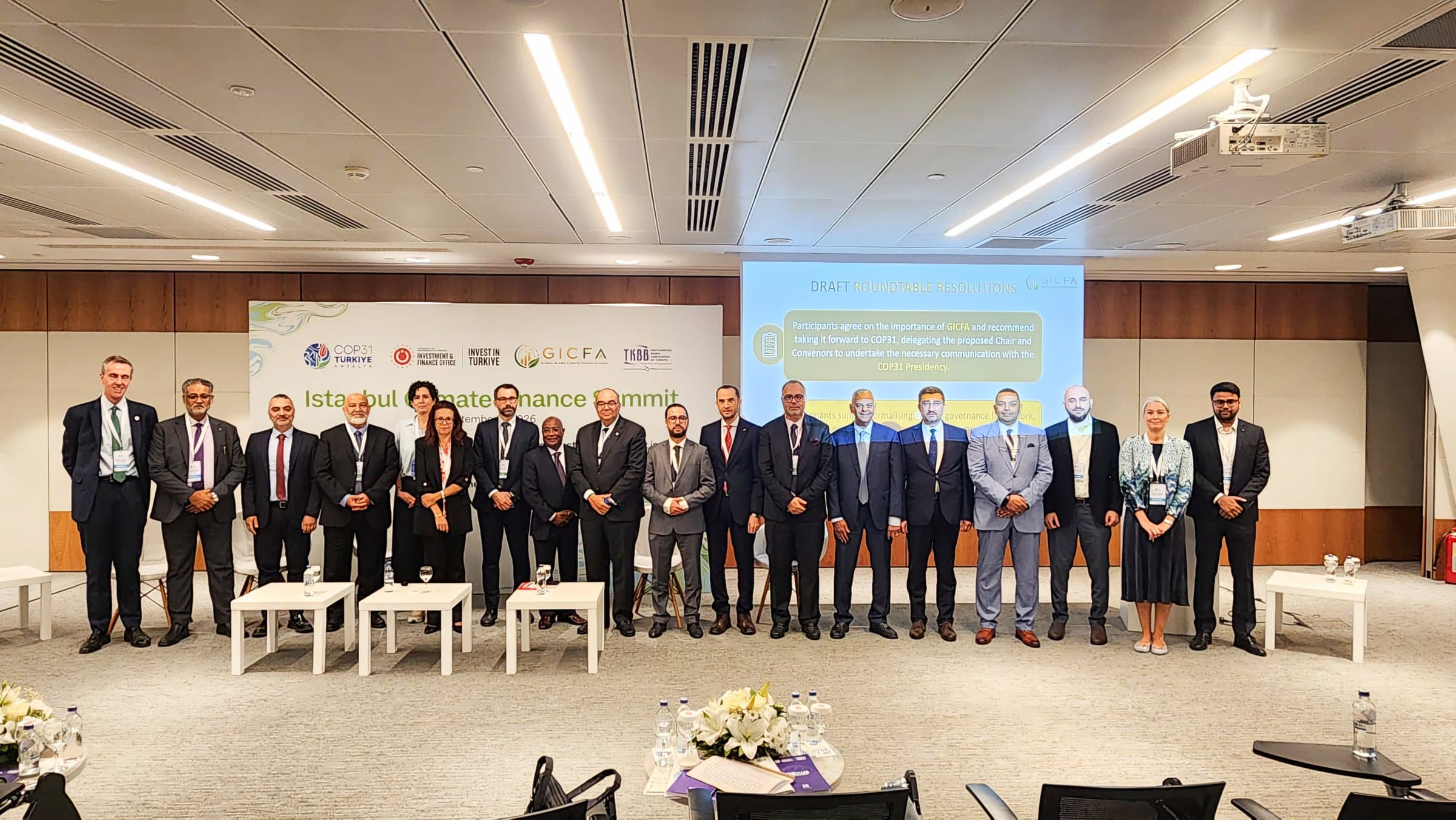
COP31 · November 2026
Institutionalising the Alliance
COP31 in Antalya represents a major strategic milestone in the GICFA pathway. GICFA envisages COP31 as the point at which the initiative advances toward its formal global launch and institutionalisation as a durable platform connecting Islamic finance with climate implementation.
Priorities toward COP31 include formalising governance, onboarding Founding Members, strengthening institutional partnerships, activating priority workstreams and establishing a long-term implementation agenda.
Priorities toward COP31
Founding Leadership
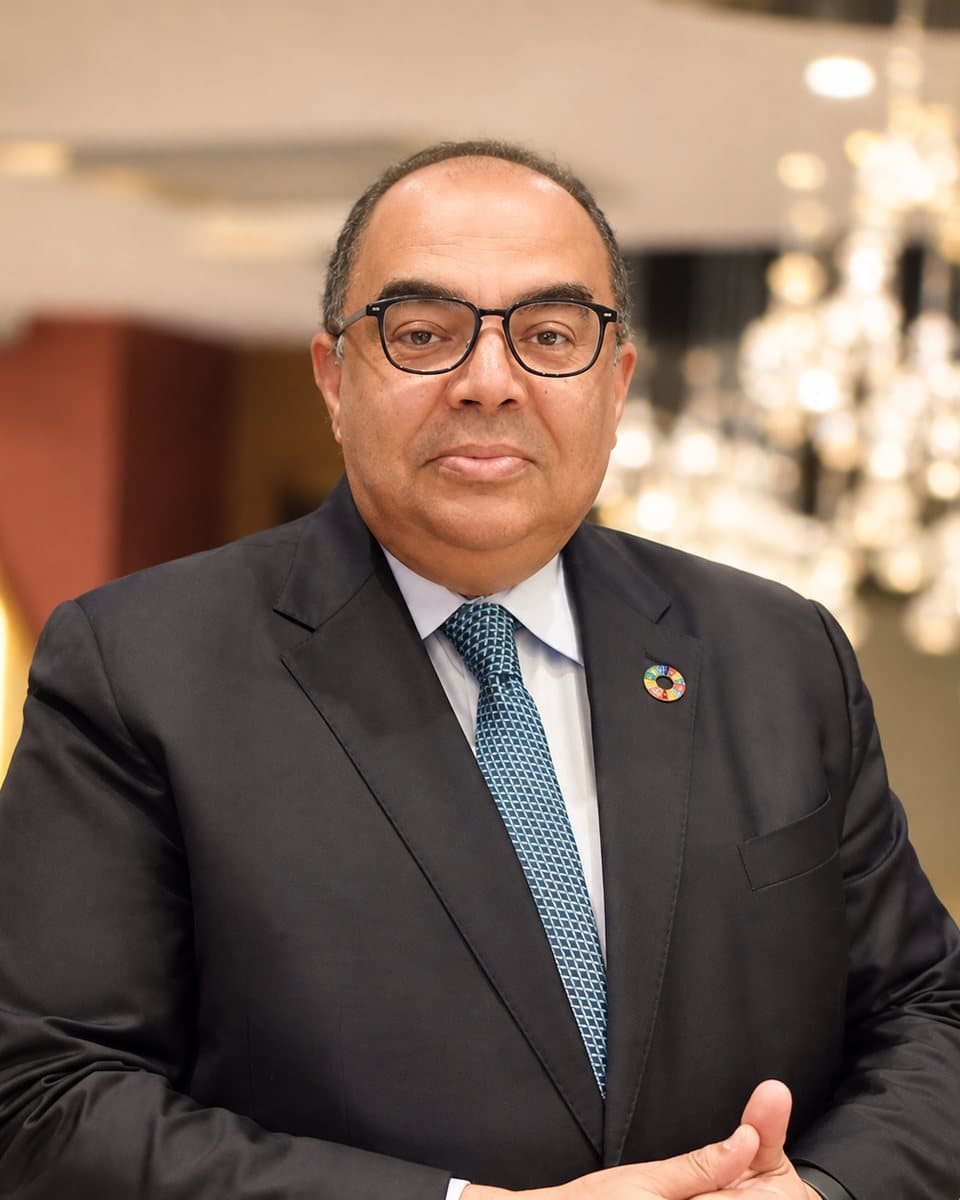
The Founding Chair provides strategic leadership to GICFA and supports its engagement with governments, multilateral institutions, the global climate architecture and international financial institutions.
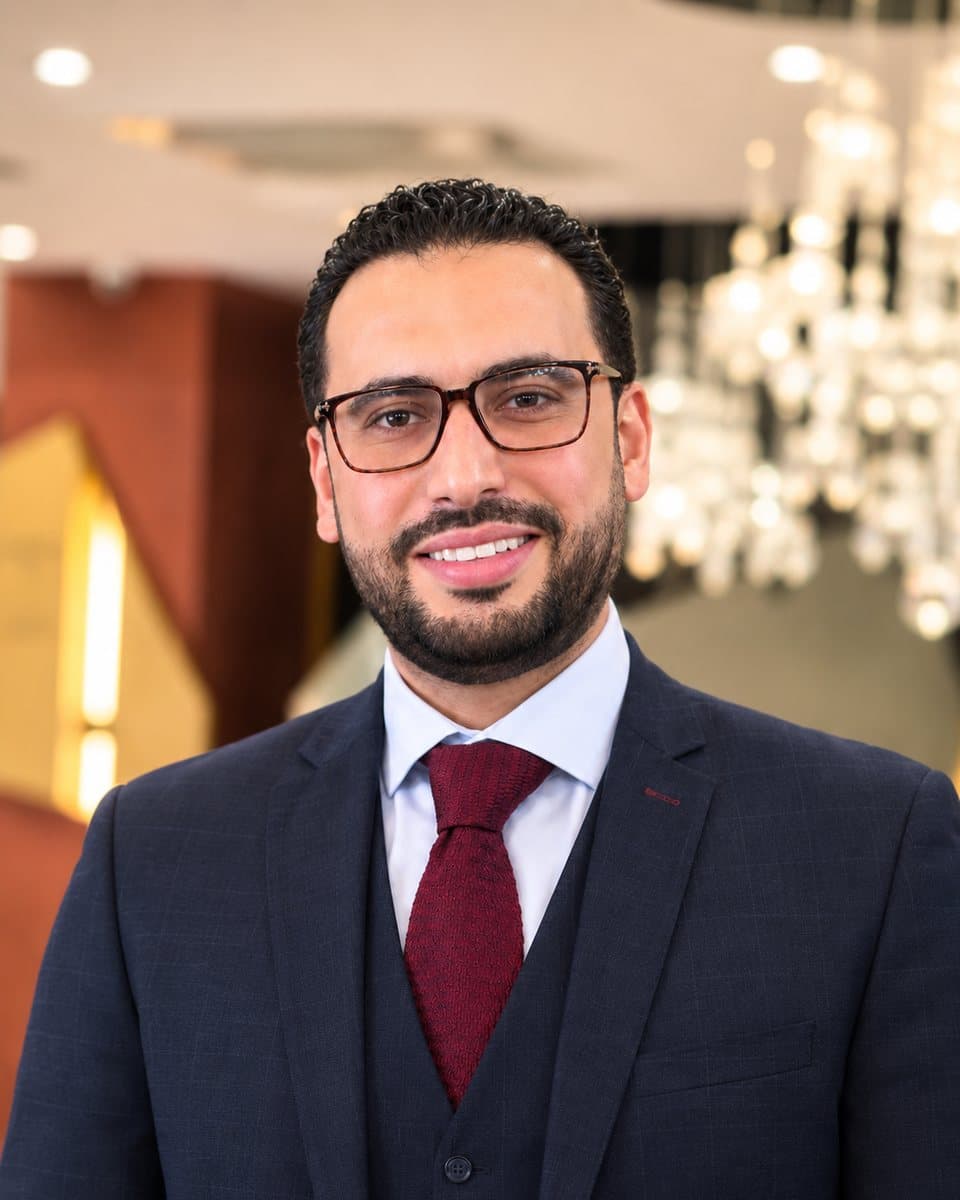
Founding Convenor
Founding & Strategic Lead
Working at the intersection of Islamic finance, climate finance and institutional development, Dr. Gadhoum focuses on building the partnerships, governance frameworks and market infrastructure needed to connect Shariah-compliant capital with climate action, energy transition and sustainable development.
With more than 15 years of international experience in Islamic Financial Advisory, he has advised governments, regulators, financial institutions, insurers, reinsurers and development partners across multiple jurisdictions. He holds a PhD in Islamic Banking and Finance (INCEIF, AACSB), is a Certified Shari’ah Adviser and Auditor (CSAA – AAOIFI), and has completed professional qualifications in climate finance with the CFA Institute and ACCA.
He serves as Chairman and Member of several Shariah and supervisory boards, bringing direct experience in governance, product oversight and cross-border financial structures.
He currently leads the Global Islamic Climate Finance Alliance (GICFA), with a focus on moving Islamic climate finance from potential to implementation by linking institutions, capital and investable opportunities through credible partnerships, pipelines and risk-sharing solutions.

Founding Convenor
Co-Founding Lead
Dr. Moutaz Abojeib is an Islamic finance specialist with more than 18 years of experience in Islamic finance, development economics and capacity building. He is Chief Executive Officer of IFAAS and Co-Lead Convenor of the Global Islamic Climate Finance Alliance.
He joined IFAAS as Director of Operations in 2022 and was appointed Chief Executive Officer in 2026. He previously led research, development and innovation at ISRA-INCEIF and served as a faculty member at INCEIF. Earlier, as a banking expert at Frankfurt School of Finance & Management, he worked on technical assistance projects for SME credit facilities in Syria, Yemen and Germany.
Dr. Abojeib has advised regulators, multilateral institutions and financial providers across Asia, Africa and the Middle East on inclusive finance, SME development and Shariah-compliant product structuring. He is lead advisor to the Islamic Development Bank on Digital Postal Islamic Financial Services and leads the strategic advisory on the IsDB Countertrade Programme. He is a member of the AAOIFI FinTech Working Group and of its Governance Standards Working Group on the Conversion of a Conventional Bank to an Islamic Bank, and has delivered more than 60 training programmes in Malaysia, Indonesia and Türkiye.
He holds a Ph.D. in Islamic Finance from INCEIF, Malaysia; a Joint Master’s in Banks and Finance Management from Montesquieu Bordeaux IV and Damascus University; and a degree in Economics from Damascus University.
Governance
GICFA is progressively constituting its governance bodies as it advances toward its formal launch at COP31.
GICFA welcomes engagement from governments, Islamic financial institutions, multilateral and development finance institutions, investors, climate funds, industry bodies, knowledge institutions and implementation partners.